How To Get Rid of Mealybugs? Best Natural Ways to Get Rid of Mealybugs Fast
Get link
Facebook
X
Pinterest
Email
Other Apps
How To Get Rid of Mealybugs
Mealybugs are one of the most common and frustrating pests for plant lovers. These small, white, cotton-like insects suck the sap out of plants, weakening them and causing leaf yellowing, stunted growth, and even plant death if left untreated.
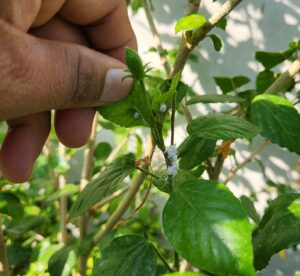
Mealybugs on Hibiscus plant leaves
They reproduce quickly and can spread from plant to plant, making them a significant threat to indoor and outdoor gardens.
If you have noticed a sticky residue or a powdery white substance on your plants, chances are you have a mealybug infestation. The good news? You can get rid of them!
In this article, we’ll cover everything from identifying mealybugs to effective treatment options, including natural remedies, biological control methods, and chemical treatments.
How To Get Rid of Mealybugs
What Do Mealybugs Look Like?
Mealybugs are tiny, soft-bodied insects covered in a waxy, white coating that gives them a cotton-like appearance. They often hide in plant crevices, leaf joints, and under leaves, making them hard to spot at first.
Common Plants Affected
Mealybugs attack a wide range of plants, including:
Hibiscus, Roses, Curry Leaf plant, Aparajita, Tomatoes, etc.
Mealybugs harm plants by feeding on their sap, depriving them of essential nutrients. This weakens the plant and makes it more susceptible to diseases.
Symptoms of a Mealybug Infestation
Leaves turning yellow and falling off
New growth appearing distorted or unhealthy
Stems covered in sticky honeydew, which attracts ants
Preventing Mealybug Infestations
Prevention is always better than cure. Here’s how you can stop mealybugs from taking over your plants:
Regular Plant Inspections
Check new plants before bringing them indoors
Inspect plant leaves and stems weekly
Wipe leaves with a damp cloth to remove potential pests
Proper Plant Care
Keep plants healthy with proper watering and fertilization
Remove dead leaves and debris around plants
Ensure good air circulation to prevent pest buildup
Quarantining New Plants
Always isolate new plants for at least two weeks before adding them to your collection
Check for hidden pests in soil, roots, and stems
How To Get Rid of Mealybugs
Natural Remedies for Mealybug Control
If you prefer non-toxic solutions, try these natural methods to eliminate mealybugs:
Neem Oil Spray
Neem oil is a natural insecticide that disrupts mealybugs’ growth and reproduction.
Mix 1 teaspoon of neem oil with 1 quart of water
Add a few drops of dish soap for better coverage
Spray directly on affected areas every 5–7 days
Insecticidal Soap
A safe and effective option, insecticidal soap works by suffocating mealybugs.
Mix mild liquid soap with water (1 teaspoon per quart)
Spray the entire plant, including under the leaves
Repeat every few days until the infestation is gone
Beneficial Insects That Eat Mealybugs
Certain insects feed on mealybugs and help keep their population in check. Some of the best natural predators include:
Ladybugs (Ladybird Beetles) – These insects are great at devouring mealybugs, especially in the larval stage.
Lacewing Larvae – Known as “aphid lions,” they also consume mealybugs efficiently.
Cryptolaemus Montrouzieri (Mealybug Destroyers) – A type of beetle that specifically preys on mealybugs.
You can buy these beneficial insects online or from garden centers and release them into your garden or greenhouse.
DIY Home Remedies for Mealybugs
If you prefer homemade solutions, there are several effective DIY treatments for mealybugs.
Soap and Water Spray
Mix 1 teaspoon of mild liquid soap with 1 quart of water.
Spray the solution onto the affected areas.
Repeat every 2–3 days until the infestation is gone.
Vinegar Solution
Vinegar’s acidity can help kill mealybugs.
Mix 1 part vinegar with 3 parts water.
Apply with a spray bottle directly to infested areas.
Be cautious, as vinegar can also harm plants.
Essential Oils for Pest Control
Mix a few drops of tea tree, peppermint, or neem oil with water.
Spray onto plants as a repellent.
How to Remove Mealybugs Manually
For smaller infestations, manual removal can be effective.
Handpicking the Pests
Wear gloves and remove mealybugs by hand.
Drop them into a cup of soapy water to kill them.
Using Cotton Swabs and Alcohol
Dip a cotton swab in 70% isopropyl alcohol.
Dab directly on mealybugs to dissolve their protective coating.
Wipe off dead mealybugs with a paper towel.
Spraying Water to Dislodge Them
Use a strong jet of water to wash mealybugs off plants.
This method works best for outdoor plants.
How to control mealybug in garden
Even after you’ve eliminated mealybugs, ongoing maintenance is crucial to prevent reinfestation.
Keeping Plants Healthy
Water plants properly; overwatering can attract mealybugs.
Fertilize regularly to boost plant immunity.
Monitoring for Reinfestation
Inspect plants weekly for early signs of mealybugs.
Use a magnifying glass to check plant crevices.
Seasonal Pest Control
Spray neem oil once a month as a preventive measure.
How to Grow and Care Morning Glory Morning glories are stunning, fast-growing vines that produce an abundance of vibrant flowers throughout the summer. These plants are loved for their beauty and ability to attract pollinators like butterflies and hummingbirds. However, they can spread rapidly and sometimes become invasive, so it’s important to understand their growth habits before planting them in your garden. In this guide, you’ll learn how to care for morning glories, plant them successfully, and keep them thriving all season long. Quick Morning Glory Facts Fast-growing climbing vine Produces flowers in shades of blue, purple, pink, and white Blooms open in the morning and close by afternoon Attracts pollinators like bees and butterflies Can become invasive in some regions Prefers warm temperatures and full sunlight How to Grow and Care Morning Glory 1. Temperature & Humidity Morning glories prefer warm temperatures (21 °C – 35 °C) ...
Best Pot Size for Jade Plant Jade plants are popular succulents that are easy to care for and make beautiful additions to your garden area. Jade plant can thrive and grow happily in a pot for many years, reaching up to three feet in height. When selecting the right pot for a jade plant, there are a few key factors to keep in mind. Jade plants develop thick, woody stems and fleshy, rounded leaves. Though their growth is slow, they can become top-heavy as they mature and produce new foliage. Since jade plants are sensitive to excess moisture and cannot tolerate water sitting at the base of the pot (often called “wet feet”), proper drainage is essential to prevent root rot. Therefore, it’s best to choose a pot that has a wide, stable base to support the plant’s weight and promotes effective drainage to keep the roots healthy. Best Pot Size for Jade Plant Understanding Jade Plant Growth Jade plant in small pot Before we discuss pot size, it is importa...
How to Revive a Dried Tulsi Plant During the winter season, our Tulsi (Holy basil) plant enters a dormancy period, causing its leaves to wither and turn yellow. They do not receive adequate sunlight and warmth to grow well. Our Tulsi (basil) plant dries up causing concern about how to revive it. Tulsi plant What can be done to bring back its vibrant green color? Sometimes, in our efforts to help it grow, we unknowingly over-fertilize it, over-water it, and even prune it without understanding it, all of which can end up damaging our Tulsi (basil) plant. Now that spring has arrived, it is time to care for your Tulsi plant to make it bushy and healthy. In this article, we will explore effective methods to ensure your Tulsi plant thrives during the spring season without the risk of overfertilization or improper care. How to Revive a Dried Tulsi Plant Understanding the Needs of Tulsi tulsi plant Tulsi, or Holy Basil, requires specific conditions to ...


Comments
Post a Comment